Kontaktieren Sie uns
Ihre E-Mail-Adresse wird nicht veröffentlicht. Erforderliche Felder sind markiert *

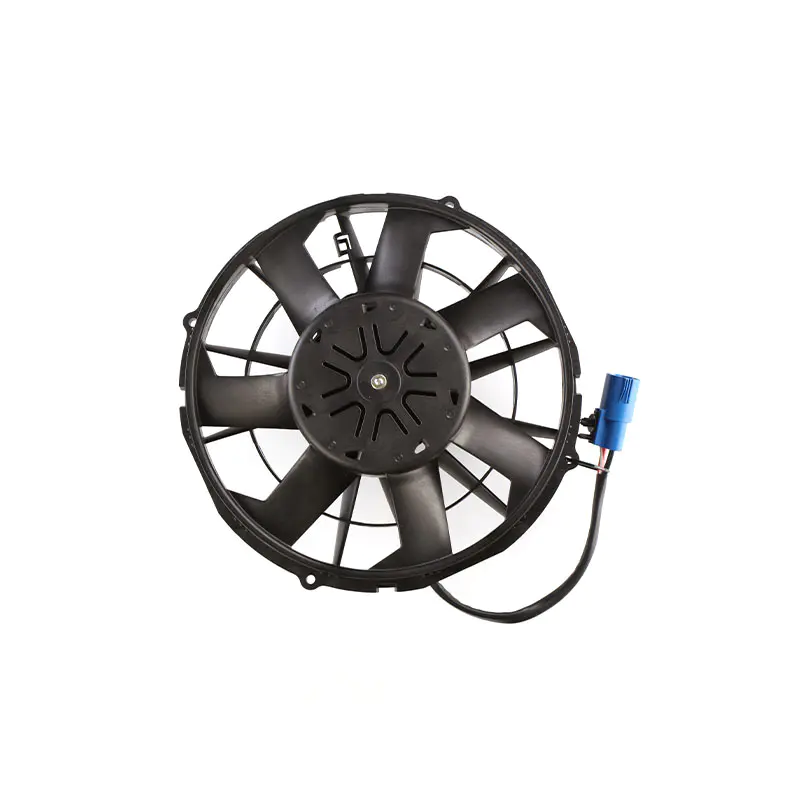
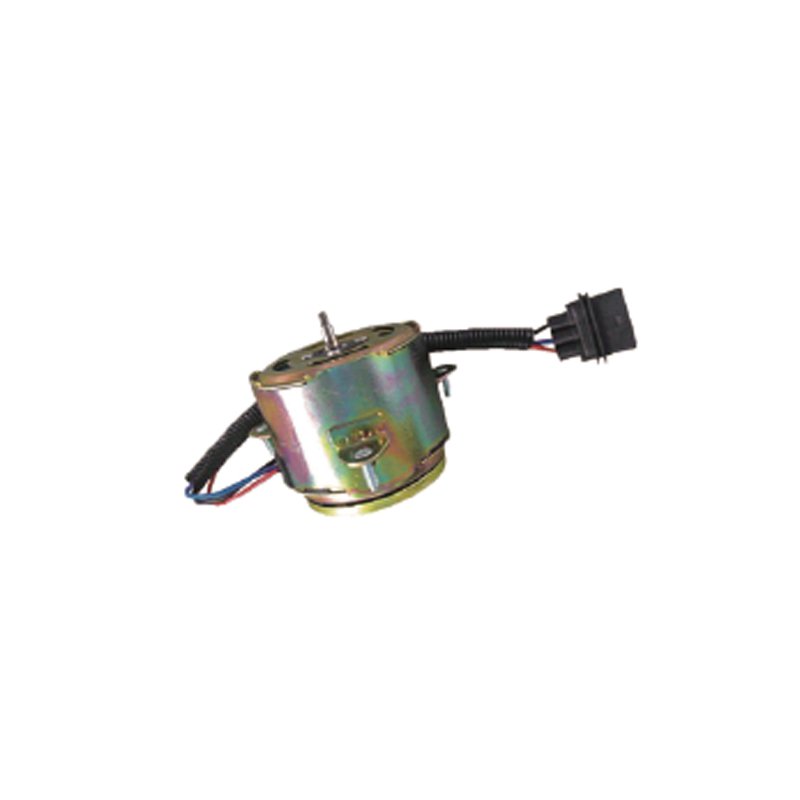
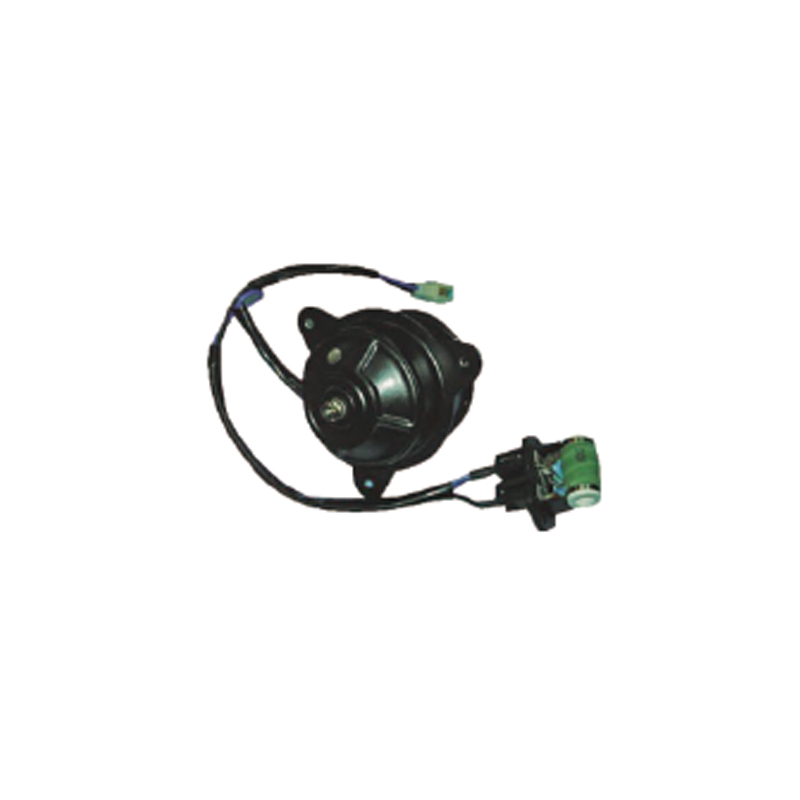
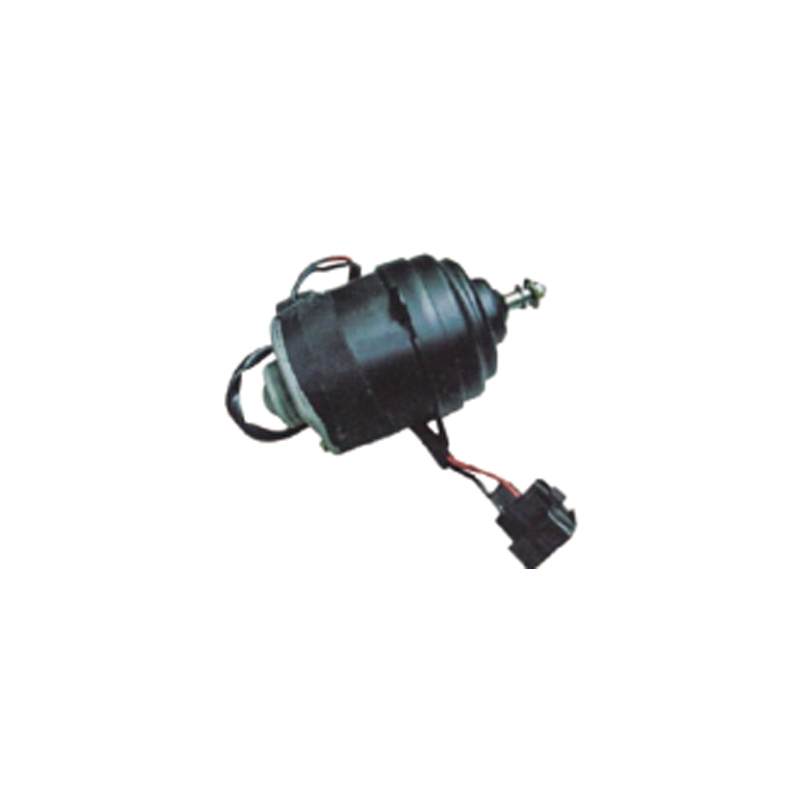
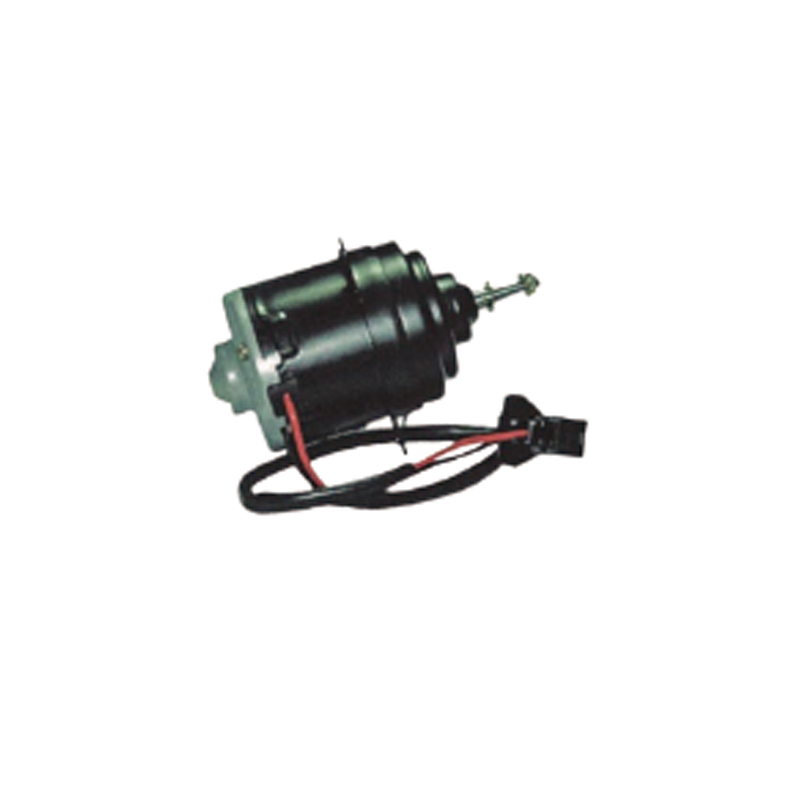
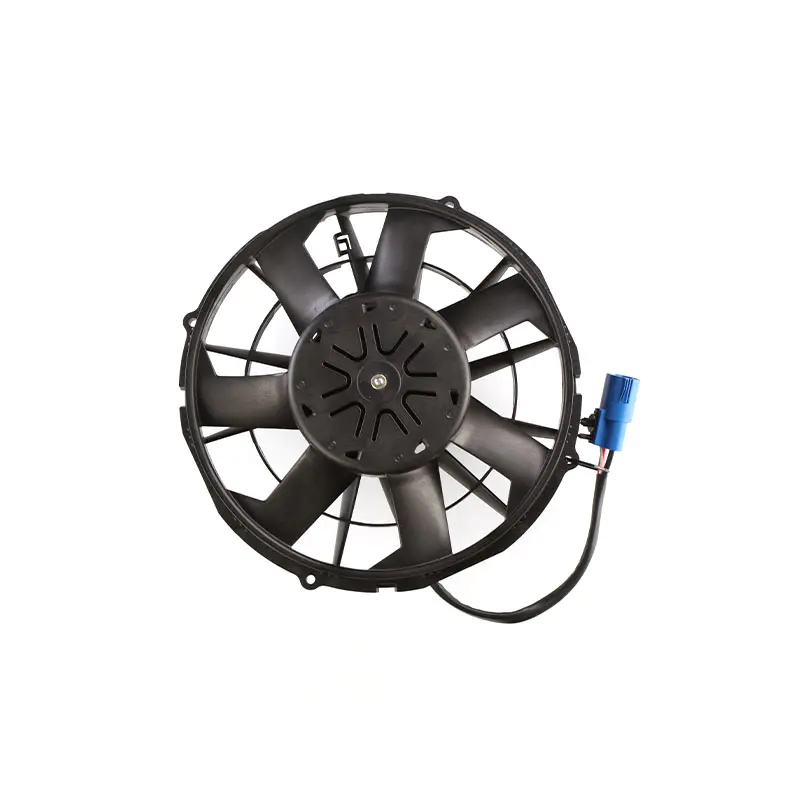
Der Wandel hin zur Elektrifizierung und höheren Leistungsdichte hat das Wärmemanagement neu definiert. Verbrennungsmotoren, Elektromotoren, Akkus und Leistungselektronik erzeugen Wärme, die zuverlässig abgeführt werden muss. DC-Axialventilatoren für die Automobilindustrie haben sich in diesen Umgebungen als primäre Lösung für die Zwangsluftkühlung herausgestellt. Im Gegensatz zu herkömmlichen AC-Lüftern integrieren sich DC-Varianten nahtlos in die elektrischen Systeme des Fahrzeugs und bieten eine präzise Steuerbarkeit.
Dieser Leitfaden stellt Ingenieuren und Beschaffungsspezialisten verwertbare Daten zur Verfügung – von grundlegenden Betriebsprinzipien bis hin zu einer technischen Checkliste vor dem Kauf. Wir konzentrieren uns auf bürstenlose DC-Architekturen (BLDC), die die Moderne dominieren Automobilkühlung aufgrund ihrer Langlebigkeit und Effizienz.
Wichtige Erkenntnis: Ein typischer BLDC-Axialventilator läuft mit 25.000–40.000 Stunden im Vergleich zu 3.000 Stunden bei Bürstentypen – ein entscheidendes Unterscheidungsmerkmal für Elektrofahrzeuge und Hochleistungsanwendungen.
Ein Axialventilator bewegt Luft entlang der Achse der Laufradwelle. Die Luft tritt parallel zur Welle ein und tritt in der gleichen Richtung wieder aus. Dadurch eignen sich diese Lüfter ideal für Einwendungen mit hohem Durchfluss und niedrigem bis mittlerem Druck wie Kühlerkühlung und HVAC.
Die elektrischen Systeme von Fahrzeugen basieren grundsätzlich auf Gleichstrom (12 V oder 24 V). Mit a Bürstenloser DC-Axialventilator für die Automobilindustrie Das Design macht Wechselrichter überflüssig, reduziert das Gewicht und ermöglicht eine direkte PWM-Geschwindigkeitssteuerung. Der BLDC-Motor verwendet elektronische Kommutierung anstelle mechanischer Bürsten, wodurch Reibungsverluste und Funkenbildung vermieden werden.
Die bürstenlose Architektur geht direkt auf die Schwachstellen herkömmlicher Bürstenlüfter ein: kurze Lebensdauer, hörbare Geräusche und schlechte Geschwindigkeitsregulierung. Unten finden Sie einen direkten Vergleich.
| Charakteristisch | Bürstenmotor | Bürstenloser DC-Axialmotor |
|---|---|---|
| Lebensdauer (Stunden) | ~3.000 | 25.000–40.000 |
| Effizienz | Grundlinie | Bis zu 20 % höher |
| Geräuschpegel | Höher (Bürstenreibung) | Niedriger (sanfte Kommutierung) |
| Geschwindigkeitskontrolle | Ein/Aus oder gestuft | PWM stufenlos |
| Einschaltstrom | Große Spitze | Sanftanlauf, geschützt |
| Motorgröße | Sperriger | Kompakt |
Die elektronische Kommutierung in BLDC-Motoren ermöglicht erweiterte Funktionen wie PWM-Steuerung für Kfz-Lüfter , das die Geschwindigkeit linear anpasst, ohne die thermische Belastung widerstandsbasierter Methoden. Dies ist besonders wertvoll für die Batteriekühlung von Elektrofahrzeugen, wo die thermische Belastung dynamisch variiert.
Die Auswahl des richtigen Lüfters erfordert eine systematische Überprüfung der Luftströmung sowie der elektrischen, thermischen und mechanischen Grenzen.
Die minimalen CFM-Werte hängen vom Hubraum des Motors und der Wärmebelastung ab. Dies sind allgemeine Richtwerte für die Umluftkühlung mit einem sauberen Kühler.
Überprüfen Sie immer, ob der CFM-Wert in freier Luft oder mit installiertem Kühlerkern gemessen wird. A Axialventilator mit hohem CFM unter Freiluftbedingungen kann bei Belastung um 30–50 % sinken.
Personenkraftwagen nutzen 12-V-Systeme; Nutzfahrzeuge und Off-Highway-Geräte verwenden 24 V. Der Betriebsbereich muss die Übergangsbedingungen des Fahrzeugs abdecken. Fordern Sie für 24-V-Systeme einen Arbeitsbereich von 16–32 V an, um Lichtmaschinenwelligkeit und Lastabfälle zu berücksichtigen.
Die Umgebungstemperatur bestimmt die Materialauswahl und Lagerschmierung. Typische Kurse:
Fordern Sie immer die thermische Derating-Kurve vom Lieferanten an. Ein Axialventilator zur Kühlung von Elektrofahrzeugen In der Nähe des Akkus montierte Geräte können dauerhaft einer Umgebungstemperatur von 75 °C ausgesetzt sein, während an Standorten unter der Motorhaube 100 °C überschritten werden.
Die L10-Lebensdauer ist die Zeit (in Stunden), bis 10 % einer Population bei einer bestimmten Drehzahl und Temperatur ausfallen. Vergleichen Sie die L10-Daten an Ihrem spezifischen Betriebspunkt, nicht bei nominaler Raumtemperatur.
An Axialventilator IP68 mit versiegelter Elektronik sorgt für Zuverlässigkeit bei Schlamm, Salznebel und stehendem Wasser.
Die Vielseitigkeit bürstenloser DC-Axialventilatoren erstreckt sich über mehrere Fahrzeugtypen und -systeme.
Bevor Sie eine Bestellung aufgeben oder Muster anfordern, klären Sie diese kritischen Punkte mit Ihrem Lieferanten ab. Diese Liste verringert das Risiko von Integrationsfehlern.
Mithilfe dieser Checkliste wird sichergestellt, dass der ausgewählte Lüfter mit realen Automobilumgebungen kompatibel ist. Eine zuverlässige Lieferant von DC-Axialventilatoren wird diese Daten ohne zu zögern zur Verfügung stellen.
Bürstenlose Gleichstrom-Axialventilatoren für Kraftfahrzeuge bieten im Vergleich zu herkömmlichen Bürsten- oder Wechselstromlösungen eine überlegene Langlebigkeit, Effizienz und Steuerbarkeit. Ihre Einführung unterstützt direkt die thermischen Anforderungen elektrifizierter und leistungsstarker Antriebsstränge.
Priorisieren Sie bei der Auswahl eines Lüfters geprüfte CFM unter Last, validierte Temperaturreduzierung und nachgewiesene Lagerlebensdauer. Beauftragen Sie Lieferanten, die während der NPI-Phase technische Unterstützung bieten und kundenspezifische elektrische und mechanische Schnittstellen bereitstellen können.
Für detaillierte Größenangaben, Musteranfragen oder Mengenpreise wenden Sie sich bitte an unser technisches Vertriebsteam. Wir liefern anwendungsspezifische Empfehlungen und dokumentierte Leistungsdaten.
Unter normalen Betriebsbedingungen (40–70 °C Umgebungstemperatur, Kugellager) liegt die L10-Lebensdauer typischerweise zwischen 25.000 und 40.000 Stunden. Bei höheren Temperaturen verringert sich die Lebensdauer; Konsultieren Sie immer die Derating-Kurve des Herstellers.
Personenkraftwagen nutzen 12-V-Systeme; Nutzfahrzeuge, Busse und Geländegeräte verwenden 24 V. Wählen Sie basierend auf der elektrischen Architektur Ihres Fahrzeugs. Es gibt einige Dual-Voltage-Lüfter, diese sind jedoch weniger verbreitet und oft weniger effizient.
IP68 ist staubdicht und gegen längeres Eintauchen bis zu 1 Meter geschützt. IP6K9K bietet zusätzlichen Schutz gegen Wasserstrahlen mit hohem Druck und hoher Temperatur – geeignet für die Reinigung schwerer Maschinen. Beide werden im Automobilbereich verwendet, IP6K9K ist jedoch strenger.
Technisch gesehen ja, aber es erhöht die Komplexität, die Kosten und potenzielle Fehlerquellen. Es ist effizienter und zuverlässiger, einen Lüfter auszuwählen, der speziell für die Spannung Ihres Systems ausgelegt ist.
Die PWM-Steuerung ermöglicht eine stufenlose Geschwindigkeitsanpassung, reduziert die Geräuschentwicklung bei Teillast und verbessert die Energieeffizienz. Es minimiert auch die thermische Zyklenbelastung der Motorwicklungen und verlängert so die Lebensdauer.
Ihre E-Mail-Adresse wird nicht veröffentlicht. Erforderliche Felder sind markiert *

Zhejiang Nicety Electric Machinery Co., Ltd. ist auf die Herstellung von vier Produktserien spezialisiert: elektronischer Kondensatorlüfter, Kühlerlüfter (Wassertank), Gebläse und Klimaanlagenbaugruppe. Professionelle Produktion amerikanischer, europäischer, japanischer, koreanischer und inländischer DC-Automobil-Axialventilatoren.
Email: [email protected] / [email protected]
Tel: +86-0578-7125439 / +86 181 0658 9231
Address:Nr. 98, Guangda Street, Industriegebiet Jinsha, Stadt Longquan, Provinz Zhejiang, China